

Description
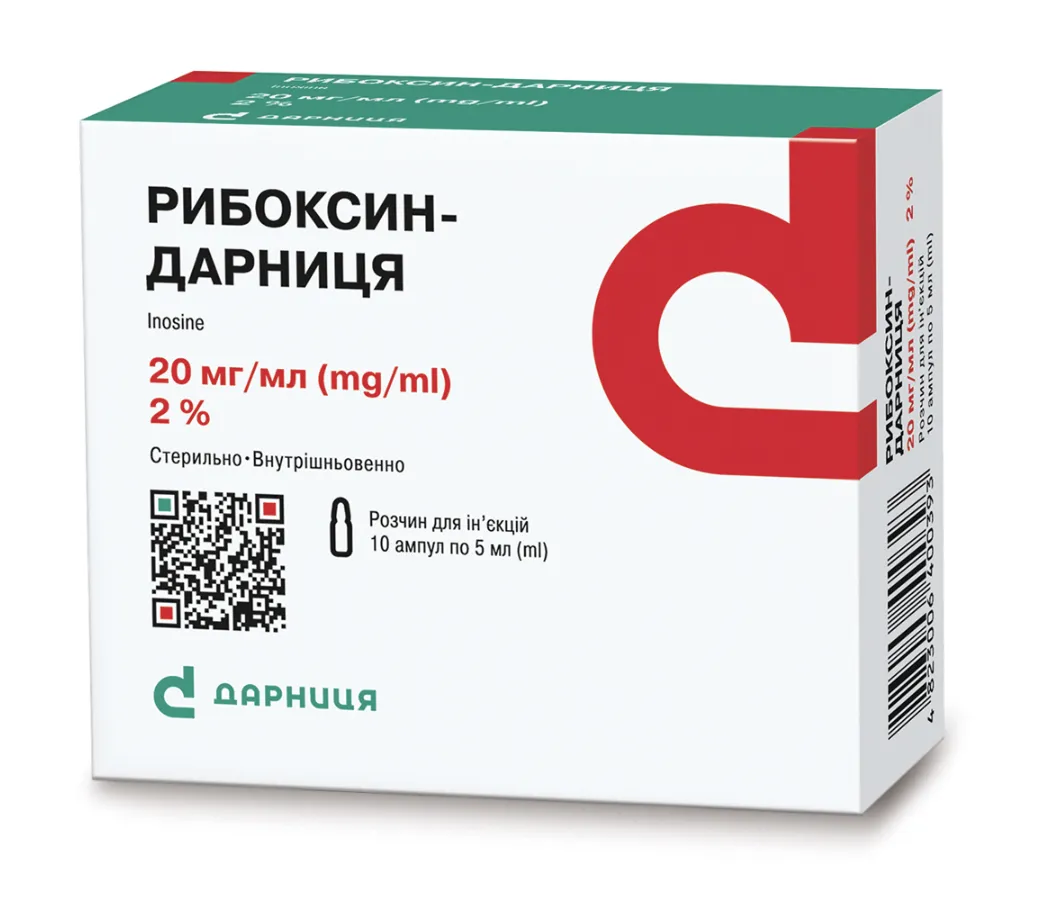
Riboxin (Inosine) Ampoules 20 mg/ml, 10 ml, #10 Solution
Riboxin is a parenteral solution containing inosine, a purine nucleoside with cardioprotective and metabolic activity. Each 10 ml ampoule delivers 200 mg of inosine at a concentration of 20 mg/ml. This injectable form is commonly used in the management of cardiovascular and hepatic disorders. The product comes in a package of 10 ampoules.
Composition
- Active ingredient: Inosine – 20 mg/ml
- Excipients: Sodium chloride, Water for injection
Pharmacological Classification
Metabolic agent (nucleoside derivative). Class: Cardioprotective, antihypoxic, and antiarrhythmic agent.
Mechanism of Action
Inosine plays a key role in ATP synthesis, enhancing energy metabolism under hypoxic conditions. It stimulates nucleotide synthesis, supports myocardial contractility, and improves coronary circulation. Riboxin also helps normalize myocardial metabolism, supports regeneration in ischemic tissues, and protects liver parenchyma.
Therapeutic Indications
- Coronary artery disease (angina pectoris, post-infarction state)
- Chronic and acute myocardial dystrophy
- Cardiac arrhythmias (especially caused by cardiac glycosides)
- Myocarditis and cardiomyopathies
- Liver diseases: fatty degeneration, hepatitis, cirrhosis (as part of complex therapy)
- Postoperative support in cardiac surgery
- Glaucoma (intraocular administration, off-label)
Dosage and Administration
- Intravenous drip or slow IV injection (optional IM administration)
- Initial dose: 10 ml (200 mg) once daily; can be increased to 20 ml (400 mg)
- Infusion rate: 40-60 drops per minute when diluted in isotonic solution
- Duration of treatment: 10–15 days or as prescribed
Contraindications
- Hypersensitivity to inosine or excipients
- Gout, hyperuricemia, urate nephrolithiasis
- Pregnancy and lactation (relative contraindication)
Precautions
- Monitor uric acid levels during prolonged therapy
- Use with caution in renal dysfunction and peptic ulcer disease
- Pediatric safety has not been established
Adverse Effects
- Allergic reactions: rash, urticaria, pruritus, angioedema (rare)
- Gastrointestinal disturbances: nausea, heartburn, discomfort
- Cardiovascular: transient hypotension, tachycardia
- Hyperuricemia or acute gout attack (in predisposed individuals)
Overdose
Symptoms may include nausea, dizziness, vomiting, hypotension, or gout flare. Treatment is symptomatic. No specific antidote is available.
Drug Interactions
- May enhance effects of antiarrhythmic agents (e.g., digoxin)
- May interfere with drugs that alter purine metabolism (e.g., allopurinol)
- May increase the effect of anticoagulants and antiplatelet agents
Storage Conditions
- Store at 15–25°C in original packaging
- Protect from light and moisture
- Do not freeze
- Keep out of reach of children


Reviews
There are no reviews yet.