


Description
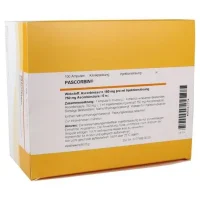
Adrenaline Vials 1.8 mg, 1mg #10 Solution
Composition
Each vial contains 1.8 mg of adrenaline (epinephrine) and 1 mg of supporting active components. Inactive ingredients include sodium chloride, sodium metabisulfite (as a preservative), hydrochloric acid (for pH adjustment), and water for injection.
Pharmacological Group
Sympathomimetic agent — adrenergic and dopaminergic agonist.
Mechanism of Action
Adrenaline (epinephrine) stimulates alpha- and beta-adrenergic receptors. Activation of alpha-receptors results in vasoconstriction, which elevates blood pressure. Beta-1 receptor stimulation increases cardiac output, while beta-2 receptor stimulation leads to bronchodilation and reduced inflammatory mediator release. These combined actions are life-saving in conditions like anaphylaxis and cardiac arrest.
Therapeutic Indications
- Emergency treatment of anaphylaxis caused by allergens (foods, insect stings, drugs)
- As an adjunct in cardiac arrest and cardiopulmonary resuscitation (CPR)
- For acute asthma attacks unresponsive to other treatments
- Management of severe hypotension and septic shock
Dosage and Administration
- Anaphylaxis: 0.3–0.5 mg intramuscularly every 5–15 minutes as needed
- Cardiac arrest: 1 mg IV/IO every 3–5 minutes during resuscitation
- Asthma (emergency): 0.01 mg/kg (max 0.5 mg IM) as a single dose
Administration should always be supervised by a trained medical professional, particularly in intravenous or intraosseous use.
Contraindications
- Known hypersensitivity to adrenaline or components of the formulation
- Use with extreme caution in patients with closed-angle glaucoma
- Not recommended during labor when fetal distress is present
Precautions
- Use cautiously in patients with cardiovascular disease, hyperthyroidism, diabetes mellitus, or Parkinson’s disease
- Avoid injection into digits, ears, nose, or genitalia due to risk of ischemia and tissue necrosis
- Monitor ECG and blood pressure during administration
Adverse Reactions
- Common: restlessness, anxiety, tremors, palpitations, sweating, dizziness, pallor
- Gastrointestinal: nausea, vomiting
- Serious: ventricular arrhythmias, myocardial infarction, cerebral hemorrhage, pulmonary edema
Drug Interactions
- MAO inhibitors and tricyclic antidepressants may potentiate cardiovascular effects
- Beta-blockers may reduce efficacy and increase blood pressure rise
- Should not be mixed with alkaline solutions (e.g. sodium bicarbonate)
Overdose
Overdose may lead to life-threatening conditions such as hypertensive crisis, cerebral hemorrhage, ventricular arrhythmias, and metabolic acidosis. Management includes immediate cessation of adrenaline, symptomatic treatment (e.g., beta-blockers for arrhythmias), and intensive monitoring.
Storage
Store at 20–25°C (68–77°F), protected from light and heat. Discard solution if discolored or if particulate matter is visible.
Pregnancy and Lactation
Adrenaline should only be used during pregnancy if clearly needed, as it may reduce uterine blood flow. Caution is advised in lactating women as adrenaline may suppress milk production and pass into breast milk in trace amounts.
Scientific References
- Simons FE. “Anaphylaxis: Recent advances in assessment and treatment.” J Allergy Clin Immunol. 2019.
- Perkins GD, et al. “International Consensus on Cardiopulmonary Resuscitation and Emergency Cardiovascular Care Science With Treatment Recommendations.” Circulation. 2015.
Disclaimer
This information is provided for educational purposes and should not substitute professional medical consultation. Always consult your healthcare provider for specific treatment recommendations.


Reviews
There are no reviews yet.