


Description
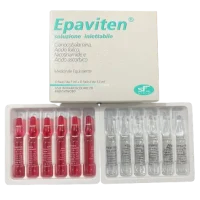
Oxytocin Vials 5 IU, Pack of 5 – Injectable Solution
Composition
Each vial contains 5 International Units (IU) of oxytocin. Inactive ingredients include sodium chloride, acetic acid, and water for injection, formulated to maintain sterility and chemical stability.
Description
Oxytocin is a synthetic form of the naturally occurring hormone produced by the hypothalamus and secreted by the posterior pituitary. It is available as a sterile, clear, colorless solution for intramuscular (IM) or intravenous (IV) administration.
Pharmacology
Oxytocin stimulates uterine smooth muscle, facilitating coordinated contractions during labor. It also acts on myoepithelial cells in the mammary glands, promoting milk ejection during breastfeeding. Additionally, it influences central nervous system pathways associated with maternal bonding.
Indications
- Induction or augmentation of labor
- Management of postpartum hemorrhage
- Expulsion of retained placenta or membranes
- Milk ejection (let-down reflex) assistance
Contraindications
- Previous cesarean section or uterine surgery with risk of rupture
- Cephalopelvic disproportion
- Placenta previa or vasa previa
- Severe pre-eclampsia or eclampsia
- Fetal distress without imminent delivery
Dosage and Administration
Labor induction: Start at 0.5–1 milliunits/min IV; titrate upward by 1–2 milliunits/min every 15–30 minutes until adequate uterine contractions are achieved. Maximum dose should be clinically assessed.
Postpartum hemorrhage: 5–10 IU via IM or slow IV injection immediately after delivery of the placenta.
Adverse Reactions
- Nausea, vomiting, abdominal discomfort
- Hypertension or hypotension
- Excessive uterine contractions, uterine rupture
- Water intoxication due to antidiuretic effect in high doses
- Fetal distress, bradycardia, neonatal jaundice
Precautions
- Continuous monitoring of fetal heart rate and uterine activity is essential
- Use cautiously in patients with cardiovascular disease, renal impairment, or fluid/electrolyte imbalances
- Risk of severe uterine hyperstimulation and rupture in high-risk patients
Drug Interactions
- Enhances hypotensive effects of vasodilators and anesthetics
- May potentiate other uterotonic agents
- Interacts with certain antidepressants (SSRIs, MAOIs) affecting oxytocin levels
Overdose
Symptoms include prolonged or excessive uterine contractions, uterine rupture, fetal distress, water intoxication, seizures, and coma. Treatment involves immediate discontinuation of oxytocin and supportive care.
Pregnancy and Lactation
Used under medical supervision during late pregnancy and labor. Though oxytocin passes into breast milk, it is not considered harmful to nursing infants when used appropriately.
Storage
Store at 2–8°C (refrigerated). Protect from light and do not freeze. Keep out of reach of children.

Reviews
There are no reviews yet.