


Description
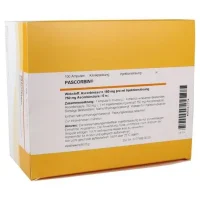
Inosine Injection (5 ampoules × 400 mg/10 ml) Solution
Composition
- Each ampoule contains: Inosine 400 mg in 10 ml solution.
- Solvent: sterile water for injection; isotonic agent: sodium chloride.
- No preservative or additives—clear, colorless sterile solution.
Description
Inosine Injection is a sterile nucleoside preparation in glass ampoules (5 × 10 ml). Inosine is a purine nucleoside integral to nucleotide metabolism and energy production. Following parenteral administration, Inosine is rapidly deaminated to hypoxanthine and xanthine, ultimately increasing serum urate levels—a biochemical pathway with implications for cellular metabolism, antioxidant defense, and purine salvage pathways.
Pharmacological Action
Inosine exerts multiple systemic effects: it serves as an energy substrate via ribose metabolism, supports ATP production, promotes coronary vasodilation, improves myocardial bioenergetics, and demonstrates neuroprotective and immunomodulatory effects. Inosine has been shown to stimulate axonal growth in experimental models, reduce inflammatory cytokine expression (TNF‑α, IL‑1β, IL‑12), and support effector T‑cell bioenergetics under glucose deprivation. It also acts as an intermediary in purine metabolism, raising serum urate—an endogenous antioxidant—though elevated urate may carry risks in certain contexts.
Indications
Inosine Injection is indicated for:
- States of metabolic exhaustion or high energy demand (e.g. post-surgery, chronic fatigue, recovery phase of illness)
- Adjunctive support in cardiac conditions with impaired perfusion or energy metabolism
- Patients undergoing high-intensity physical activity who require improved oxygen utilization
- Selected neurological conditions or immune-modulating support, under experimental or off-label use
Contraindications
- Known hypersensitivity to inosine or any component.
- Gout, hyperuricemia, or crystal-induced arthropathies—serum urate elevation contraindicated.
- Pregnancy and breastfeeding—safety not established.
- Not recommended in pediatric patients under supervision—insufficient evidence.
Dosage and Administration
- Administer intravenously over 10–15 minutes per ampoule (400 mg).
- Typical adult dose: 1 ampoule daily; do not exceed 2 ampoules (800 mg) per day.
- Adjust injection speed and dosage per patient tolerance and renal function.
Side Effects
- Occasional mild allergic reactions—rash, itching, urticaria.
- Nausea, vomiting, lightheadedness, tachycardia.
- Elevated uric acid levels—risk of gout, kidney stones, nephropathy.
- Rare cardiovascular or renal adverse events, typically reversible upon cessation.
Precautions
Monitor serum uric acid periodically—especially in patients with prior hyperuricemia or cardiovascular risk. Advise limiting purine-rich foods and alcohol during treatment. Monitor renal and hepatic function if long-term usage is considered.
Interactions
- Concomitant use with xanthine oxidase inhibitors (e.g., allopurinol) may alter uric acid metabolism.
- May affect assays for cytokines or inflammatory biomarkers.
- Monitor synergy or interference with antiviral or immunomodulatory agents.
Overdose and Treatment
Overdose symptoms may include nausea, hypotension, dysrhythmias, or altered consciousness. Management is supportive: cease inosine, hydrate, correct electrolytes, and monitor vitals. Urate-lowering therapy may be considered if hyperuricemia is severe.
Storage
- Store at room temperature (15–25 °C), protected from direct sunlight.
- Do not freeze.
- Keep ampoules in original sealed packaging; use promptly after opening.
- Keep out of reach of children.
Mechanism of Action
Inosine is converted to hypoxanthine and ribose-1-phosphate, supporting ATP generation through glycolysis and the pentose phosphate pathway. It promotes vasodilation and cardiac energy metabolism, suppresses pro-inflammatory cytokines, and supports nerve regeneration via NGF-related pathways observed in preclinical models.
Clinical Studies and Evidence
A randomized clinical trial (SURE‑PD3) demonstrated that orally elevated serum urate via inosine is generally safe and tolerated over up to 24 months, though increased rates of nephrolithiasis were observed (7 per 100 patient‑years vs 1.4 in placebo). Bluett et al., 2021
A safety trial (Iwaki et al., 2017) involving early Parkinson’s patients confirmed one-year oral inosine (≈1070 mg/day) safely raised uric acid from ~3.5 mg/dL to ~6.7 mg/dL without severe adverse events; transient crystalluria noted. Iwaki et al., 2017
Use in Special Populations and Sports
Athletes may use inosine IV for recovery after intense exertion; by supporting ATP generation and metabolism, it may alleviate fatigue. However, the increase in serum urate poses a risk for gout or renal stones. Not prohibited by WADA, but professional supervision and uric acid monitoring are recommended.
Elderly or cardiac patients should receive careful dosing and lab monitoring due to altered renal clearance and urate handling.
Additional Notes
Emerging research highlights inosine’s role in immune cell metabolism: T lymphocytes can metabolize inosine as an alternative carbon source under glucose deprivation, supporting effector function and enhancing anti-tumor immunity in vitro. Wang et al., 2020 Additionally, murine studies show that inosine administration increases energy expenditure and thermogenesis, suggesting potential metabolic benefits. Willemsen et al., 2022
Summary
Inosine Injection is a metabolically active nucleoside preparation delivering 400 mg per dose. It supports energy metabolism and has roles in cardiac, neurological, and immune support contexts. While generally well tolerated when administered under supervision, it elevates serum urate, posing risks for gout, nephrolithiasis, and renal function impairment. Monitoring is essential, especially in high-risk populations. In selected cases, its use may support recovery from exhaustion or metabolic stress, under the guidance of qualified healthcare professionals.


Reviews
There are no reviews yet.